Plots in Zaragoza - buy, sell or rent easily

Find plots by category in Zaragoza (Province)


Plots for sale with most wanted features
- Urban 16
- Developable 8
- Non developable 22


Latest publications of land and houses for sale in Zaragoza (Province)
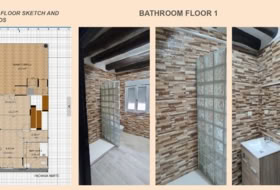
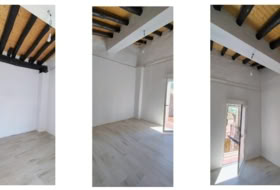


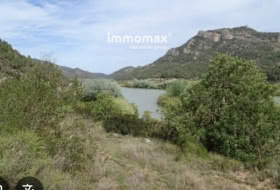


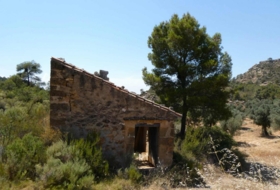
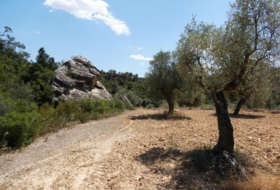
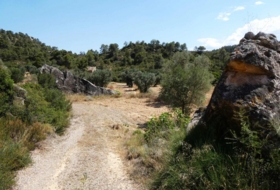
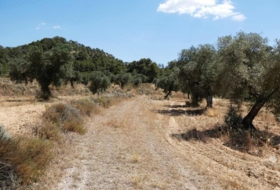
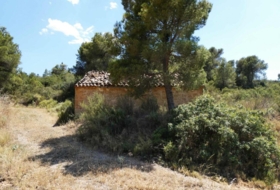
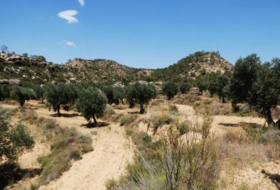
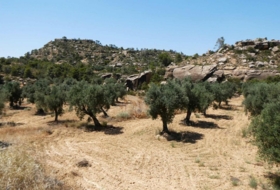
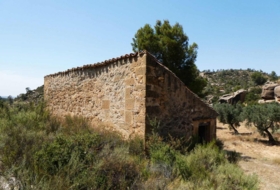
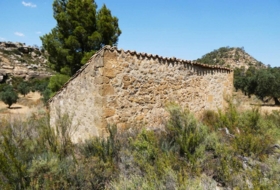
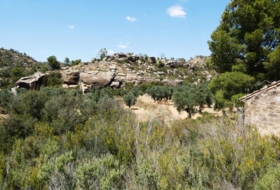
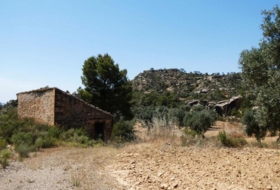
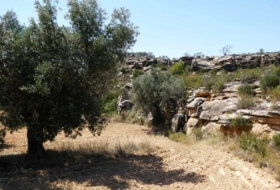
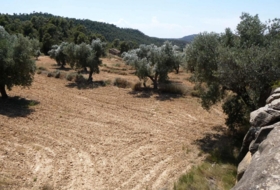
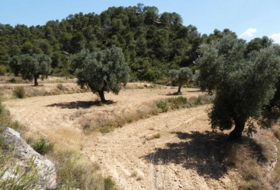
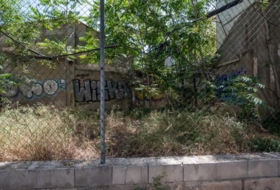
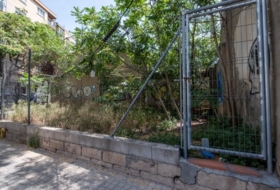
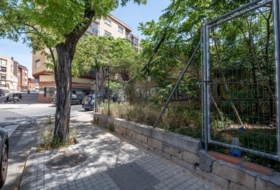
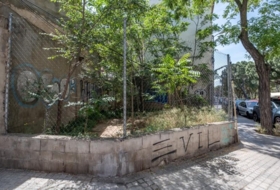
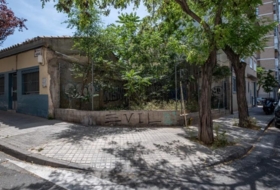
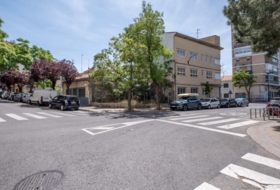
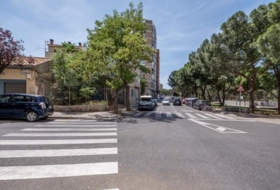
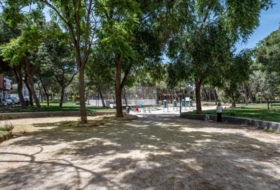
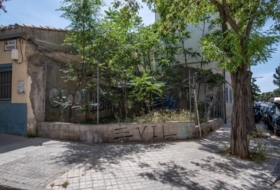
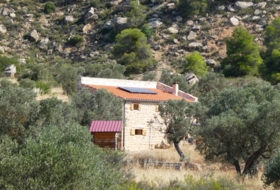
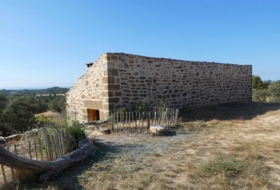
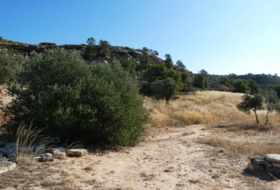
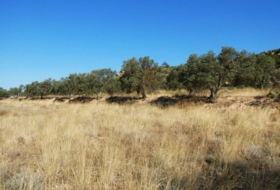
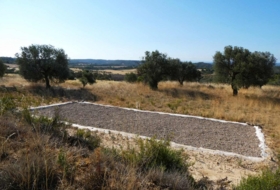
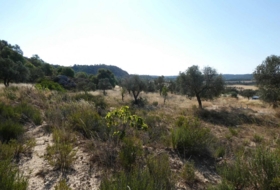
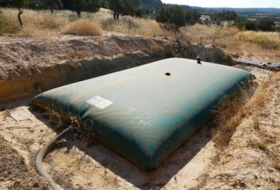
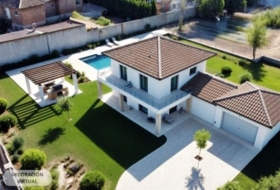
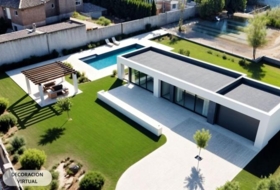
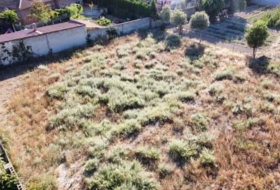
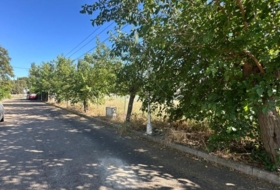
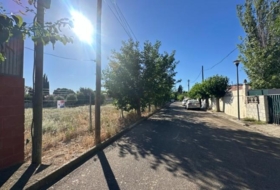
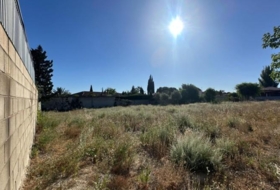
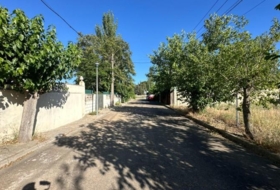




 +1
+1Where to buy land in Zaragoza
The average value of urban land in the province of Zaragoza is the highest in the entire region, with more than €330/m². Likewise, the average price of rural land for sale has also increased in recent years, although it is lower than that of the urban area, due to lower demand. Developable land experiences a situation like that of urban plots, as it is located, for the most part, in the same towns.
The cheapest land for sale in Zaragoza is in Magallón, with a minimum value of €0.10/m²; Azucarera, with €0.30/m²; Uncastillo, with €0.40/m²; Alfajarín, with €0.50/m²; and Cunchillos, Morata de León and the provincial capital, with €0.80/m². On the other hand, the urban plots with the most expensive price are in Alagón, Calatayud, La Joyosa, Utebo and Zaragoza.
The climate and orography imply a great forest biodiversity
The relief qualifies the continental Mediterranean climate, very cold in winter and hot in summer, in which the strong Cierzo wind in the Ebro Valley stands out, while rainfall is irregular. In the mountain area, the weather is more humid and colder.
Forest land occupies 16% of Zaragoza's area. It is the Aragonese province with the largest forest mass. The landscape is made up of mountains, ravines, valleys, mountains, plains, and meadows, which are home to a great biodiversity. From arid areas, such as Los Monegros (with shrubs such as thyme, broom, online or esparto grass), to pine, holm oak, oak, beech, and gall oak forests in the hills. As a Natural Reserve, the Laguna de Gallocanta stands out, the largest saline wetland on the peninsula.
This natural wealth gives rise to various activities that take advantage of these forest resources. For example, on the banks of rivers, poplars are planted for later use in the production of wood. While in the Pre-Pyrenees and Moncayo mycological routes and hunting raids are carried out.
A diversified province
The province of Zaragoza is in the centre of Aragon, its surface area is 17,194 km² and it has nearly one million inhabitants, who are clustered around the capital and the most important cities, to the detriment of rural areas in Zaragoza. It is crossed by the Ebro River and its tributaries. Due to its geographical location, it has become an important logistics and communications centre.
Over the years, the weight of the primary sector has decreased in favour of the secondary and tertiary sectors.
Currently, the agricultural sector has little relevance in the economy of Zaragoza. On the other hand, the agri-food industry is of great importance and supplies itself with this for its production. In addition, other types of very diverse industries are developed in the region, located in the surroundings of Zaragoza.
Regarding services, it includes transport and communications equipment, commerce, banking, housing, administration, education, health, and hospitality.
Zaragoza is industrial
More than 70% of the Aragonese industry is in the province of Zaragoza, especially in the capital and its metropolitan area. It is a diverse field that looks abroad through the export of its products.
Some of the industrial branches with the greatest presence are food and beverages, transport equipment, wood, cork, furniture, metal products, non-metallic minerals, chemicals, construction of machinery and electrical equipment, automotive, paper and graphic arts, rubber, plastic, footwear, fashion and clothing.
There is an offer of industrial land scattered throughout the province, with a disparate value depending on the location of the industrial estate. The companies most interested in these floors are those in the logistics and industrial sectors due to the growth of electronic commerce. They are highly demanded spaces, and many transactions take place in this regard.
An agricultural sector that feeds the agri-food industry
Generally, the predominant agriculture is intensive and mechanized irrigation. The orchards are located on the river terraces, where cereals and legumes such as alfalfa, corn and wheat are grown.
Vegetables and vegetables have always been a reference in the garden of Zaragoza, with species such as Swiss chard, borage (very typical), thistle, spinach, cabbage, cauliflower, asparagus, garlic, lettuce, and escarole. The onion from Fuentes de Ebro stands out, which has obtained the Denomination of Origin Onion from Fuentes. Likewise, legumes such as chickpeas, beans, peas, and broad beans are harvested.
As for woody crops, fruit trees and olive trees stand out (with which internationally famous oils such as Borja and Luna are produced). The vine plays an important role with the wines from the Cariñena, Campo de Borja, Somontano, Calatayud, Jalón, Daroca and Belchite appellations. Harvests of ornamental plants are also carried out, aromatic and medicinal, with which products for the chemical industry are generated, such as dyes, etc.
Organic farming is booming, and its area increases year after year. Although it is still a minority because of prices, it is limited to a few farms that produce vegetables. One of its advantages is the recovery of local varieties, adapted to these lands, such as the Onion from Fuentes, previously mentioned, the Caparrona Bean from Monzón, Boliche from Embún, Saffron from Jiloca, Borage from Movers, Pink Tomato from Barbastro or Ballobar Capers.
Horticultural and agricultural production feeds the agri-food industry, which markets its products both nationally and internationally. Meat, milling, canned vegetables, animal feed and beverages stand out.
The outstanding production centres are grouped in the cities of Zaragoza, Zuera, Utebo, Tauste, Calatayud, Gallup and Ejea.
As for livestock, pigs stand out with almost three million places, whose star product is the sausage from Villanueva de Gállego; the bovine with more than 400,000 places, with which Burgo de Ebro cheeses are produced; sheep with the quality of Ternasco de Aragón and goats with almost 11,000 places.
Since its inception, the province of Zaragoza has been a crossroads of civilizations, between the northwest of the peninsula and the Mediterranean, which has made it a strategic place for the transport of products and merchandise. This, together with its industrial development and agri-food production, has given rise to great development and wealth in the area.